

Alright, buckle up, folks! Alex Johnson here, and we’re diving headfirst into the wild world of content marketing. Remember when TikTok was the new kid on the block? Now we’re staring down AI content generators and wondering what the heck the metaverse actually is. Things are moving FAST. If you want your content to cut through the noise in 2025, you’ve got to be ready to adapt. Forget chasing every trend; let’s talk about the core shifts that matter and how to use them to create a real, strategic plan.
Content Marketing: The Ground Is Shifting!
It’s not just about slapping a blog post online and sharing it on socials anymore. People are drowning in information. They want experiences – personalized, engaging, and, most importantly, valuable. When was the last time you actually enjoyed a generic ad? Exactly. It’s all about genuine connections and content that truly hits home.
So, what are the big changes shaping the future? Let’s get into it.
AI: Friend or Foe? (Spoiler: It’s a Powerful Friend)
AI isn’t some sci-fi fantasy anymore. It’s here, and it’s changing how we create and share content. From spitting out blog post ideas to, yes, even writing entire articles, AI tools are getting seriously good. But don’t think you can just kick back and let a robot do all the work. That’s not how this works.

The real magic happens when you use AI to boost your own creativity and efficiency. Here’s how:
- Brainstorming Bonanza: Writer’s block got you down? AI can help you brainstorm fresh angles and topics.
- Content Optimization on Steroids: Tools like Surfer SEO and Clearscope use AI to analyze search results and give you data-backed suggestions to boost your content’s ranking.
- Personalization Power: AI can sift through user data and deliver tailor-made content experiences. Think personalized recommendations and targeted messaging.
- Content Recycling Machine: Turn that killer blog post into a series of social media snippets or a YouTube script in minutes.
Think of AI as your content sidekick, not a replacement for you. Your unique voice, your understanding of your audience, your humanity – that’s what makes content truly connect. As Ann Handley puts it in “Everybody Writes,” great content should be ATOMIC: Authentic, Trustworthy, Opinionated, Memorable, and Clever. AI can help you nail the “clever” part, but the rest? That’s all you.
Video: Still the King? (Yep, Pretty Much)
Okay, text isn’t dead. But video? Video is HUGE. Short-form video, especially, is crushing it on platforms like TikTok and Instagram Reels. Why? Because it grabs attention, it’s easy to watch on the go, and it’s perfect for our increasingly short attention spans. If you’re not putting out video content, you’re leaving a ton of potential on the table.
Check these stats:
- YouTube boasts over 2.5 billion active users. Let that sink in.
- TikTok is the Usain Bolt of social media platforms – the fastest-growing ever.
- Videos on social media get shared a whopping 1200% more than text and images combined.
But hold on – don’t just start churning out videos for the sake of it. Focus on providing genuine value, telling stories that resonate, and optimizing your content for each platform. Think tutorials, behind-the-scenes peeks, customer love stories, and even funny short skits. And remember that authenticity we talked about? Yeah, that’s crucial here. People can smell a fake from a mile away.
The Metaverse Beckons: AR and VR Step Into the Spotlight
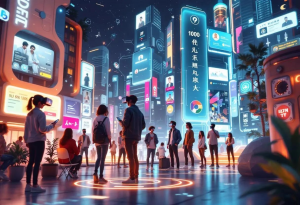
AR and VR? Not just for gamers anymore. These technologies are creating immersive, interactive experiences that are shaking up marketing. Imagine letting customers virtually “try on” your products, explore a destination from their couch, or attend a product launch without leaving home. The possibilities? Seriously mind-blowing.
AR and VR are still somewhat niche, but they’re becoming more accessible and affordable all the time. As the tech gets better and more people jump on board, expect to see brands using AR and VR to create unforgettable content. Here are some ideas:
- Interactive Product Demos: Let people get hands-on (virtually!) with your products.
- Virtual Tours: Show off your office, factory, or event space in a whole new way.
- Gamified Content: Create fun games and challenges that also promote your brand.
- Augmented Reality Filters: Develop interactive filters for social media that get people talking.
Let Your Fans Do the Talking: The Power of User-Generated Content
In a world saturated with polished marketing messages, user-generated content (UGC) is like a breath of fresh air. People trust their peers way more than they trust brands. So, encourage your customers to create content featuring your stuff, and then share it far and wide!
UGC comes in all shapes and sizes:
- Customer Reviews: Encourage people to leave reviews on your site and social media.
- Social Media Posts: Run contests and campaigns that get people sharing photos and videos of your brand.
- Case Studies: Show how your products have helped real people solve real problems.
- Testimonials: Ask happy customers to share their experiences in writing or on video.
UGC not only provides valuable social proof, but it also saves you time and money on content creation. It’s a win-win-win!
Hey, Google! Optimizing for Voice Search
With smart speakers like Amazon Echo and Google Home becoming commonplace, voice search is a force to be reckoned with. People are using their voices to find information, ask questions, and even make purchases. If you want to show up in voice search results, you need to optimize your content.
Here’s how to get started:
- Think Long-Tail Keywords: People talk differently than they type. They tend to use longer, more conversational phrases when speaking.
- Answer Questions Directly: Structure your content to directly answer common questions in your industry. Be the go-to resource.
- Claim Your Google My Business Listing: Make sure your business info is accurate and up-to-date. It’s like your digital storefront.
- Optimize for Mobile: Most voice searches happen on mobile devices, so make sure your website is mobile-friendly.
Be Everywhere, All the Time: Omnichannel Distribution
These days, it’s not enough to just post content on your website and hope people stumble upon it. You need to spread your content across multiple channels to reach your audience where they already are. That’s where an omnichannel approach comes in.
Omnichannel marketing is all about creating a seamless, consistent experience for your customers across every touchpoint – your website, social media, email, even offline channels. Think of it as creating one unified brand experience, no matter how someone interacts with you.
Here’s how to build an omnichannel content distribution strategy:
- Know Your Audience’s Hangouts: Where do they spend their time online? What platforms do they love?
- Tailor Your Content: Don’t just copy and paste the same stuff everywhere. Customize it for each platform.
- Brand Consistency is Key: Keep a consistent look and feel across all channels.
- Track Everything: Use data to see what’s working and what’s not.
Numbers Don’t Lie: Measuring Content Performance
You can’t improve if you don’t track. Monitoring your content performance is essential for seeing what’s hitting the mark and what’s falling flat. Use tools like Google Analytics to keep an eye on these key metrics:
- Website Traffic: How many people are visiting your site?
- Bounce Rate: Are people sticking around, or are they leaving after just one page?
- Time on Page: How long are people actually engaging with your content?
- Social Media Engagement: Are your posts getting likes, shares, and comments?
- Conversion Rates: Are people taking the actions you want them to take, like signing up for your email list or buying something?
By analyzing these numbers, you can find areas to improve and fine-tune your content strategy. Content marketing is a constant process of trying new things and learning from the results.
The Future is Now: Embrace Change and Innovate
The content marketing world will keep changing, and it will keep changing fast. To stay ahead, you need to be open to new things, experiment with new technologies, and always put your audience first. Don’t be afraid to take risks and learn from your mistakes. The future of content marketing is bright, and it belongs to those who are willing to adapt and innovate.
So, what are you waiting for? Start mapping out your content marketing strategy for 2025 and beyond today!
Alright, buckle up, because we're diving headfirst into the wild world of influencer marketing! I'm Alex Johnson, and trust me, Read more

LinkedIn isn't just a digital resume repository. For B2B marketers, it's a veritable goldmine waiting to be tapped. But are Read more